
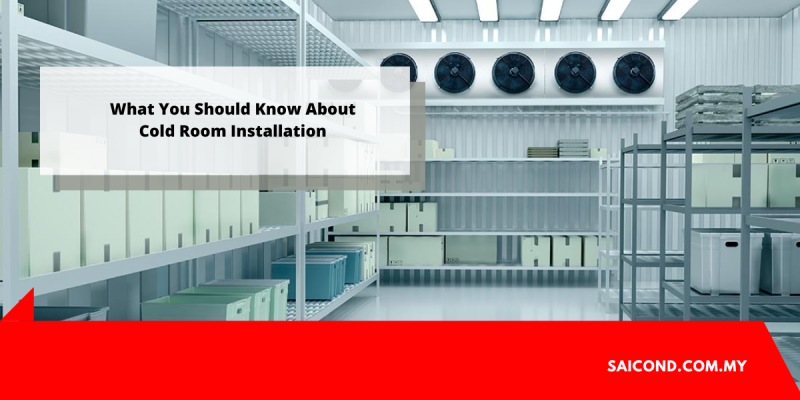
A cold room is required in every industrial kitchen for prolonged storage. The quality of food produced by a food business determines its success.
Cold rooms are necessary to avoid food shortages and waste in the kitchen. They are constructed with a cold room panel and a freezer room panel that can keep food at a low temperature for an extended period of time.
What’s more intriguing about cold rooms is how simple it is to find and install one that meets all of your storage needs.
Cold rooms, like your refrigerator, are designed to keep produce from rotting or spoiling while also providing temperature regulation on a larger scale. Commercial cold rooms are required for any food business or organization dealing with large-scale food supply.
They are used to keep foods fresh and healthy. These priceless assets provide critical storage at optimal temperatures in order to keep food safe, reduce waste, and meet required safety standards.
Cold rooms are necessary to avoid food shortages and waste in the kitchen. They are constructed with a cold room panel and a freezer room panel that can keep food at a low temperature for an extended period of time.
What’s more intriguing about cold rooms is how simple it is to select and build one that meets all of your storage needs.
Consideration
There are five critical factors to consider before investing in cold room installation. They are as follows:
- What do you want to gain from a cold room?
The cost of installing a cold room depends on various factors, including the size and materials utilised. Before you create a storage space in your kitchen, you should be clear about your needs.
One approach is to assess your storage demands and requirements. Installing a cold room that is too small for the amount of food you need to keep may necessitate the construction of another one. Knowing your storage capacity and requirements will allow you to save more money in the long run.
- What are your requirements?
It is not enough to understand your kitchen’s storage capacity; you must also understand how the freezer works. The type of cold room you install should be determined by your company’s operational needs.
Request that your supplier explain the functions of each freezer. This way, you will invest in a storage facility that will help you manage the kitchen efficiently.
- Space and location
Have you decided where you want to put the cold room? It is important to select the proper place so that you do not take up the entire kitchen during installation.
Small freezer rooms are typically located near a backyard or loading bays to keep food fresh and nutritious as soon as the supplier delivers it.
- Storage
Install shelving or compartments within the freezer room to increase storage capacity. This creates distinct zones where you can easily store various food items.
- Allow for scalability.
Just because you operate a small kitchen today does not imply you will not evolve in the future. Consider scalability while establishing a cold room. Who knows, maybe you’ll wish to grow in the future.
As a result, making room to expand the freezer room will prevent you from having to build another one.
Instruction
The installation of a cold room is divided into two parts: insulation and refrigeration. The installation instructions for an industrial cold room are provided below.
Part A: Insulation
The installation of a cold room is divided into two parts: insulation and refrigeration. The installation instructions for an industrial cold room are provided below.
1. Material for cold room panels
Because of its flame-retardant and non-chlorofluorocarbon qualities, polyurethane foamed composite insulation boards with stainless steel plates or spray-coated steel plates are employed as the installation material.
2. Installation of cold room panels
The connection seam between the two panels is approximately 1.5mm thick. During cold room installation, the seam between cold room panels must be sealed to ensure durability and dependability.
3. Cold room door
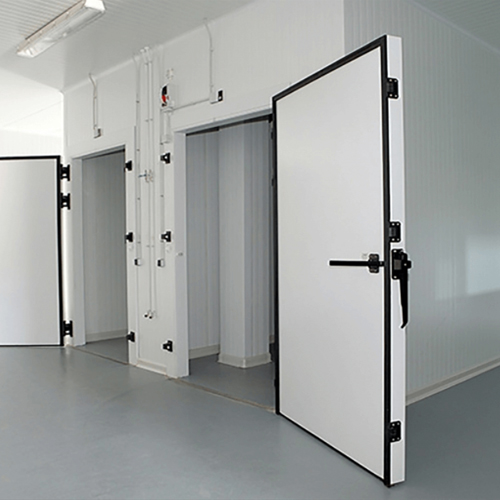
The cold room door is equipped with an “escape device,” which includes a door lock and unlocking function. Electric heating (with protective mechanisms) must be used when installing the door frames to prevent the sealing strips of the doors from freezing.
4. Accessories
- Pipeline holes must be waterproof, heat-insulated, and completely sealed on all sides.
- Inside the warehouse, LED lighting with moisture-proof, anti-acid, anti-alkali, explosion-proof, and anti-corrosion capabilities should be utilized.
- To avoid and control the pressure difference between the cold room and the surrounding region, pressure balancing should be implemented.
- To make cleaning the cold storage easier, the freezer must have drainage in the floor.
Part B: Installation of a Refrigerator
- The air cooler/evaporator installation
- The refrigeration pipe installation
- The water drainage pipe installation
For more information about Cold Room Installation Malaysia, please visit https://www.saicond.com.my/
